Our Trainees
Trainees and Research Staff
The scientists behind the science
Postdoctoral scholars, graduate, medical, and undergraduate students, and research staff working across the institute's laboratories.
A research community in training
Every JSEI laboratory is powered by trainees and staff scientists. Browse by role or by lab.
- Postdoctoral Scholars
- 15
- Graduate Students
- 10
- Staff Research Associates
- 11
- Undergraduate Students
- 24
Showing 60 of 60 people
Postdoctoral Scholars 15
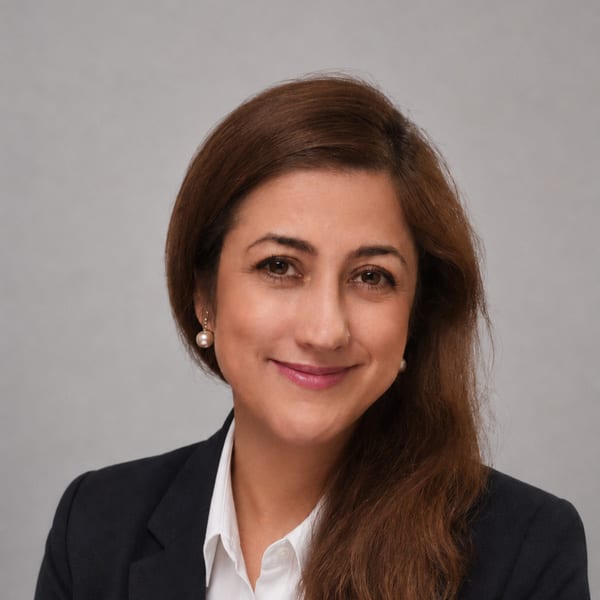
Neusha Barakati(she/her)
Postdoctoral Scholar
Yang Lab
Neusha's research focuses on Dominant Optic Atrophy (DOA), an inherited optic neuropathy, and the role of mitochondrial dysfunction in retinal degeneration. Her work aims to understand how mitochondrial abnormalities affect retinal cell structure, survival, and function, with a particular focus on photoreceptors.
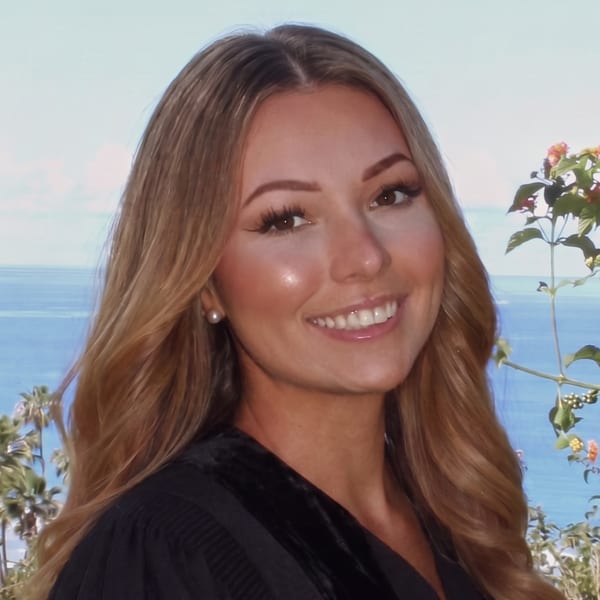
Maya Alexandra Carleton
Postdoctoral Fellow
Field Lab
Maya is a postdoctoral researcher in the Field lab. Her current research interests focus on understanding how the retina allocates energy for encoding visual signals and how it may be perturbed in disease.
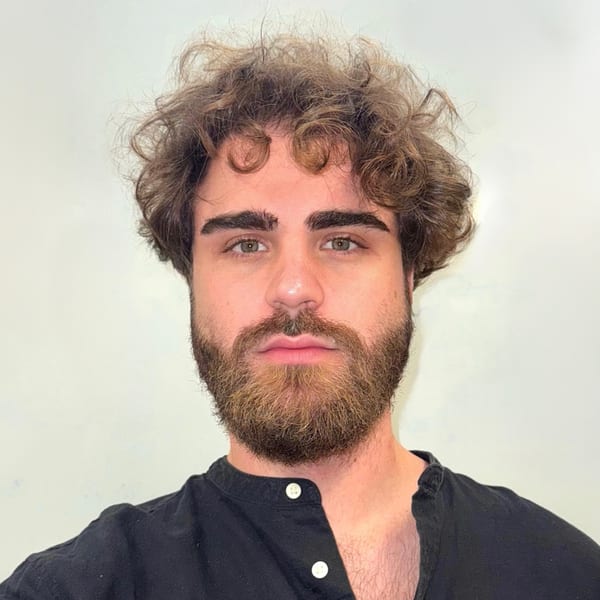
Alejandro Gallego-Ortega(him)
Postdoctoral Scholar
Field Lab
My research focuses on understanding how retinal diseases, particularly glaucoma, affect the structure and function of retinal ganglion cells, the neurons responsible for transmitting visual information from the retina to the brain. I am particularly interested in how changes in dendritic architecture relate to alterations in their receptive fields—the regions of the visual field that influence neuronal responses to visual stimuli—and how these structural and functional changes may contribute to visual dysfunction in glaucoma.
Yu-Wen Hung
Postdoctoral Scholar
Deng Lab
Yu-Wen investigates the mechanisms by which small molecules activate Wnt in limbal stem cells, assesses dose-dependent toxicity, and explores potential translational studies for safe clinical applications in LSC deficiency.
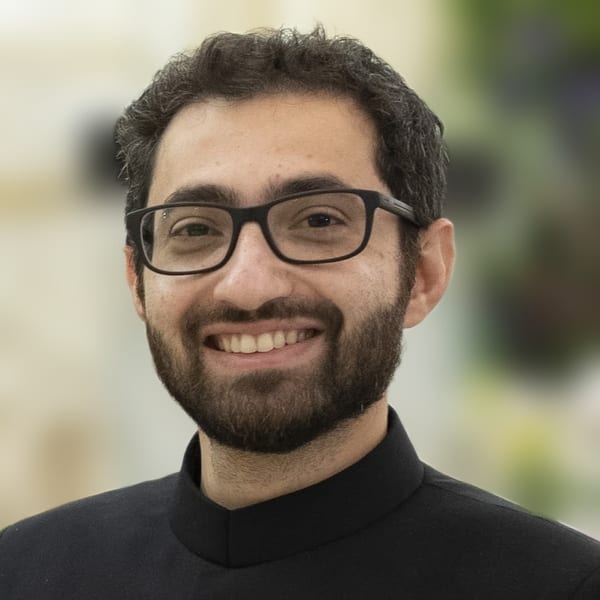
Saad Idrees
Postdoctoral Scholar
Zylberberg Lab
Saad works at the intersection of neuroscience and machine learning, developing interpretable, accurate, and generalizable computational models of retinal circuits under natural viewing conditions. He uses these models to investigate how the retina encodes information, particularly at scales that are difficult to access experimentally. His broader interests include using biologically grounded models to probe mechanisms underlying retinal diseases, and developing bio-inspired AI architectures that enable generalization to unfamiliar conditions.
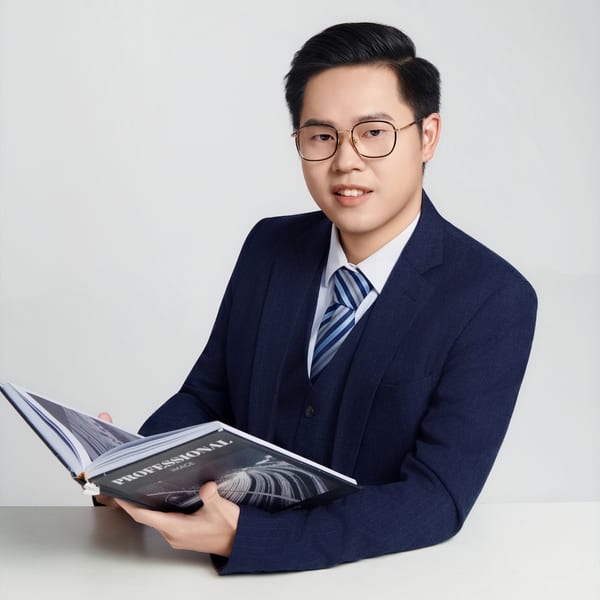
Huakun Li(he/him)
Postdoctoral Scholar
Field Lab
Huakun Li is a postdoctoral scholar in the Field Lab. He is passionate about developing state-of-the-art functional interrogation platforms to advance retinal physiology research.
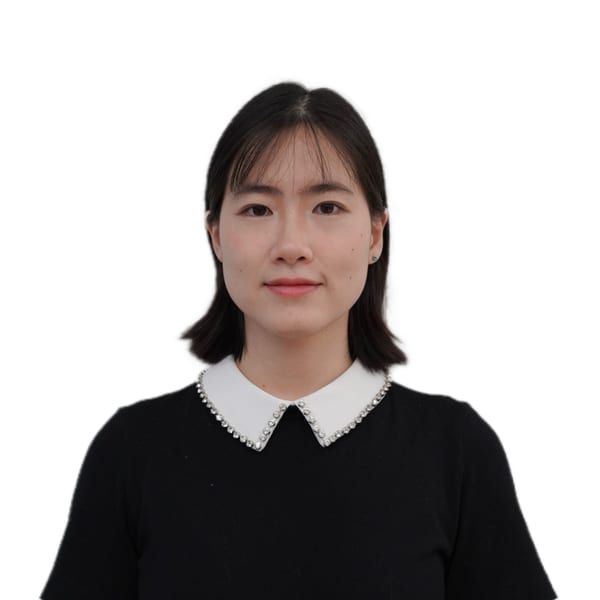
Menglin Li
Postdoctoral Scholar
Peng Lab
Menglin studies how primate fovea is developed using spatial transcriptomics and single-cell multiomics
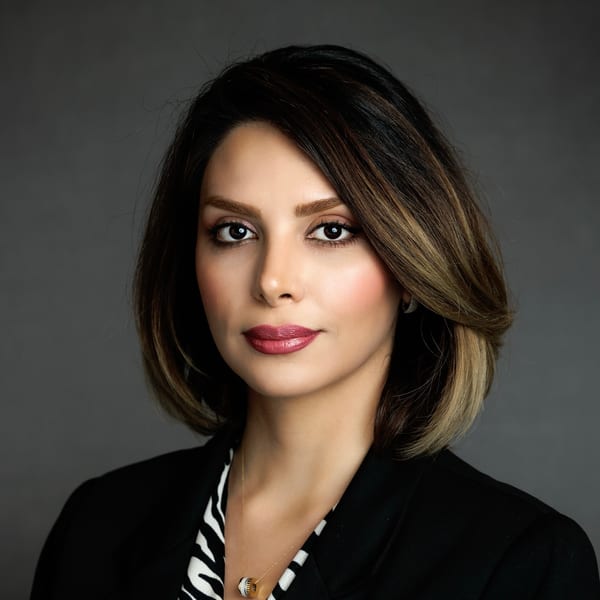
Yasamin Sadat Mousavimotlagh, MD(She/her)
Research Fellow
Barzelay-Wollman Lab
Yasamin Sadat Mousavi Motlagh, MD, is a Research Fellow at the UCLA Jules Stein Eye Institute, focusing on innovative microsurgical techniques, robotic technologies, and image-guided ophthalmic surgery. Her research includes whole-eye transplantation, with an emphasis on orbital and skull-base surgical anatomy, vascular access, and intraoperative imaging. She also contributes to research on robotic-assisted ophthalmic microsurgery and advanced retinal therapeutic delivery techniques, including subretinal injections. Her work aims to improve surgical precision, safety, and outcomes through interdisciplinary research and technological innovation.
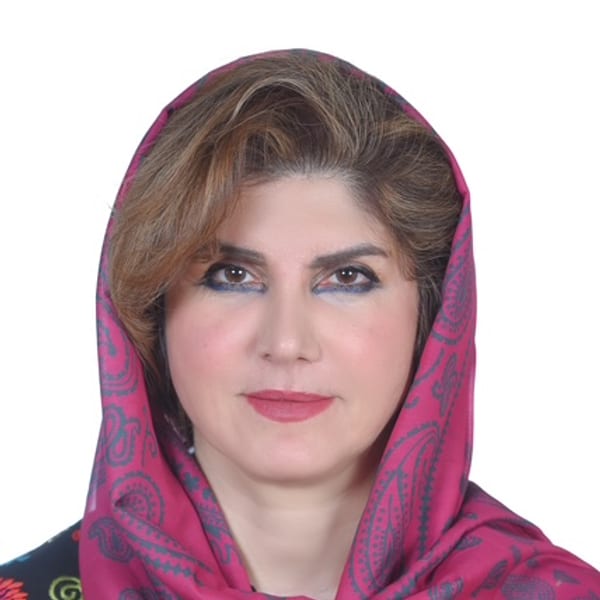
Dr Arezoo Miraftabi
International Research Fellow
Nouri-Mahdavi Lab
I am working on expanding longitudinal imaging studies to refine predictive markers of progression • Developing multicenter collaborations for surgical outcomes databases • Investigating microvascular biomarkers as therapeutic response indicators • Integrating artificial intelligence–assisted imaging analytics into clinical glaucoma practice
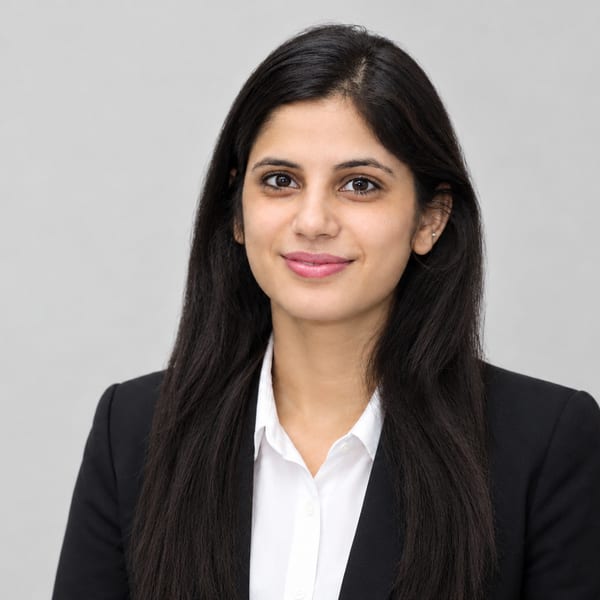
Divya Mishra(she/her)
Postdoctoral Scholar
Aldave Lab
Divya is a postdoctoral researcher in the Cornea Genetics and Cornea Neuroscience Laboratories. In the Cornea Genetics Laboratory, she investigates the pathomechanisms underlying congenital hereditary endothelial dystrophy (CHED) and advances the development of AAV-hSLC4A11 gene therapy as a potential treatment. In the Cornea Neuroscience Laboratory, she investigates neuronal-epithelial interactions in neurotrophic keratitis using human iPSC-derived trigeminal neurons, with a focus on corneal nerve regeneration and epithelial repair.
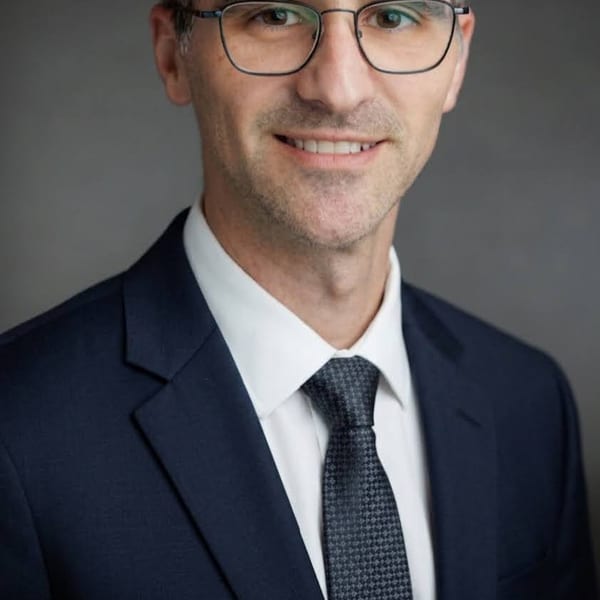
Eli Neimark
Pediatric Ophthalmology and Strabismus Fellow
Demer Lab
Dr. Eli Neimark conducts research on strabismus, leveraging large-scale datasets and artificial intelligence to investigate its underlying causes and optimize surgical dosing.
Saki Sakakura(she/her)
postdoctoral scholar
Deng Lab
My research interest is to investigate into the mechanism of extracellular vesicles treatment to corneal scar.
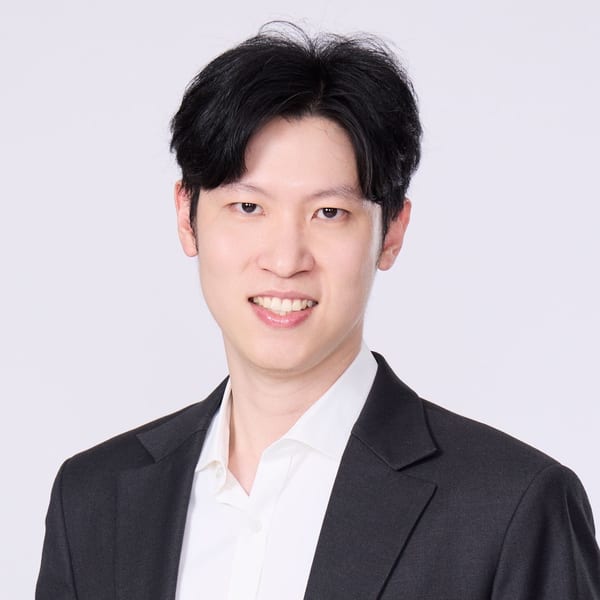
Nathapon Treewipanon(he/him)
Visiting Fellow
E. Tsui Lab
His research focuses on multimodal imaging in uveitis, with a particular interest in using advanced imaging to better assess and monitor ocular inflammation. He is also involved in studies of long-term outcomes in posterior uveitis.
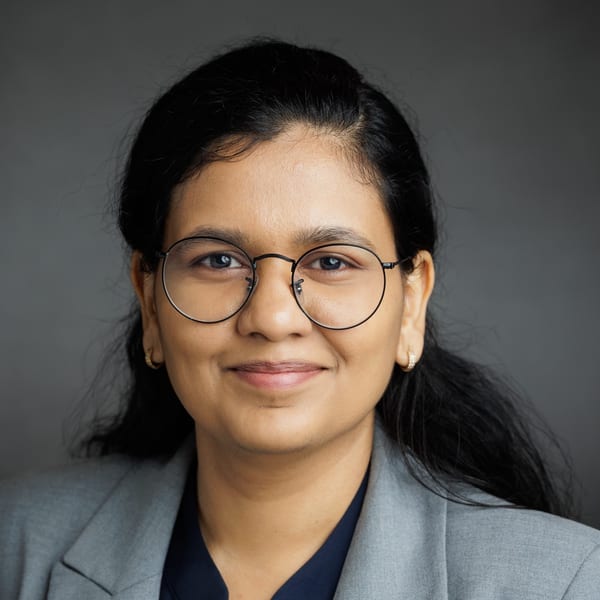
Jhuwala Venkatakrishnan(She/Her)
Postdoctoral Scholar
Aldave Lab
Jhuwala is a postdoctoral researcher in the Cornea Genetics Laboratory. Her current research focuses on understanding the pathomechanisms of inherited corneal disorders (CHED, PMED, FECD, and TGFBI corneal dystrophies). She also plays a key role in preclinical investigations advancing an AAV gene therapy for CHED associated with loss of function of SLC4A11.
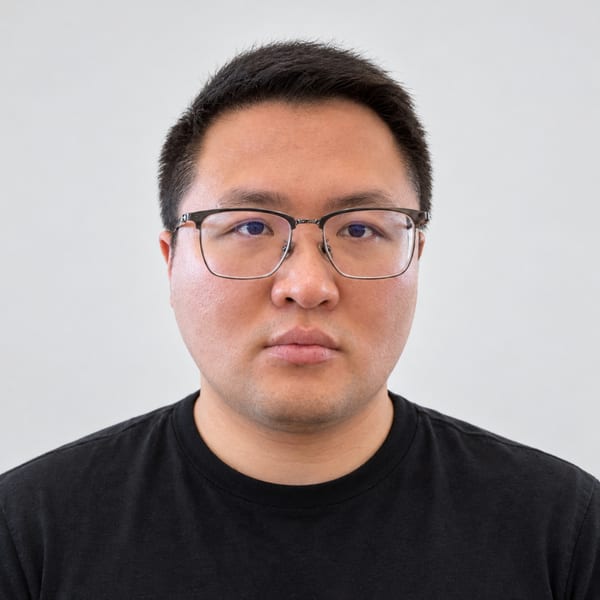
xiaoqingsong(he)
Postdoctoral Scholar
Deng Lab
Multi-Omics Profiling of Corneal Stromal Stem Cell-Derived Extracellular Vesicles Identifies Functional Biomarkers for Corneal Scarring
Graduate Students 10
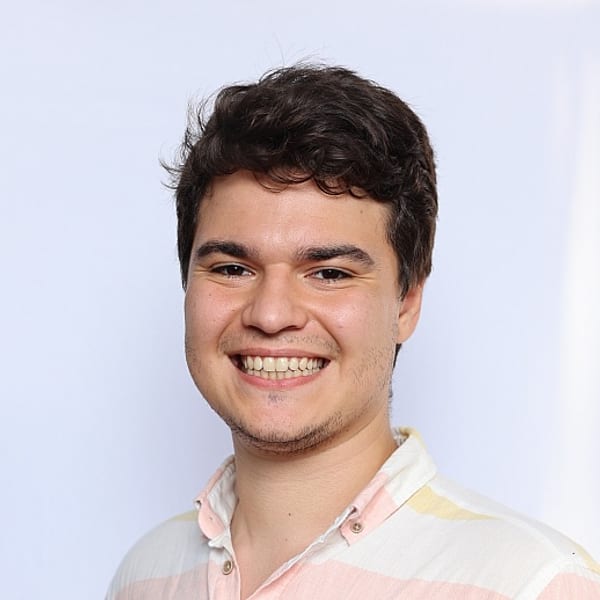
Fazil Onuralp Ardic(he/him)
PhD Student
Zylberberg Lab
Fazil Onuralp develops machine learning models of retinal activity to better understand neural computations underlying vision. His research focuses on modeling retinal ganglion cell responses to dynamic visual stimuli, with an emphasis on temporal processing, neural dynamics, and context-dependent visual encoding.
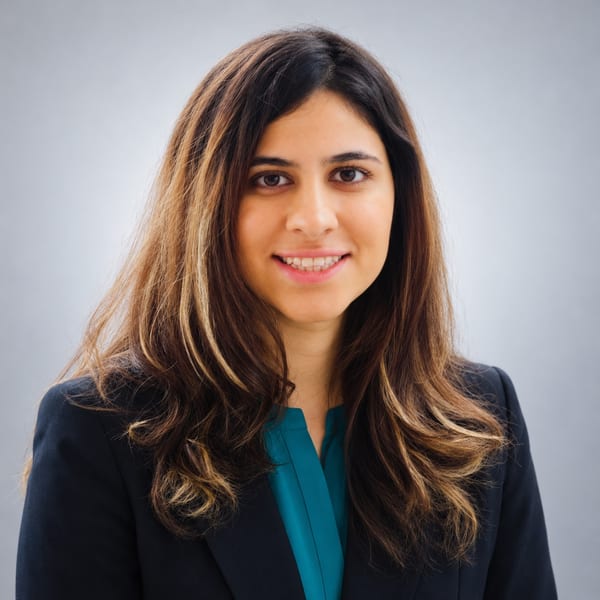
Nilou Ghazavi(she/her)
PhD Candidate
Field Lab
Nilou is interested in understanding how different retinal ganglion cell (RGC) types contribute to downstream visual processing and perception. Her research focuses on developing a computational framework to design visual stimuli that can selectively manipulate the activity of specific RGC types.
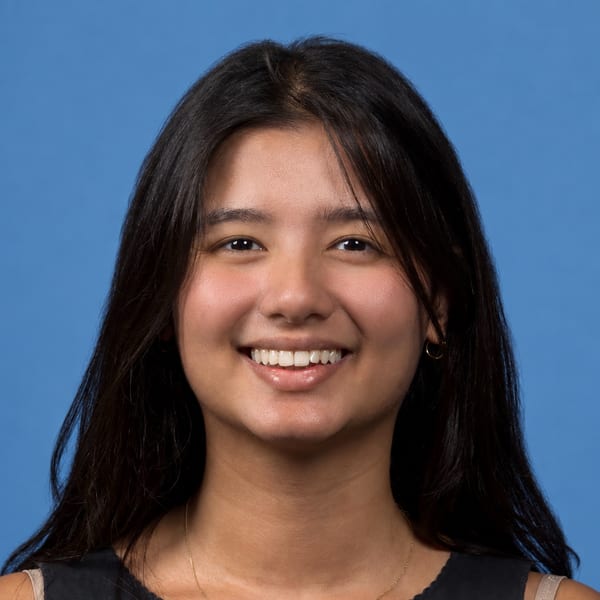
Diana Ibrahim(She/her)
PhD Student, Molecular Biology IDP
Peng Lab
Diana studies the spatial and temporal mechanisms that control the development of the human fovea.
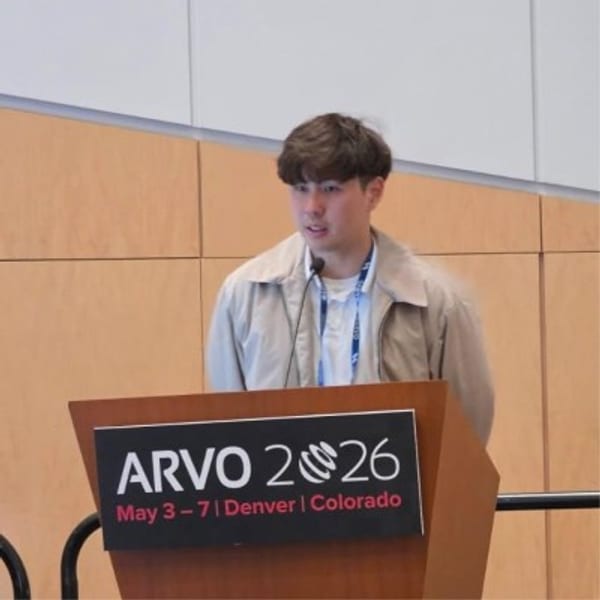
Kyle Kim
PhD Candidate
Sampath Lab
My broad interests largely focus on the mechanisms of neurodegenerative diseases. My current dissertation work focuses on how bipolar cells respond to loss of photoreceptor input in retinal degeneration (i.e. retinitis pigmentosa).
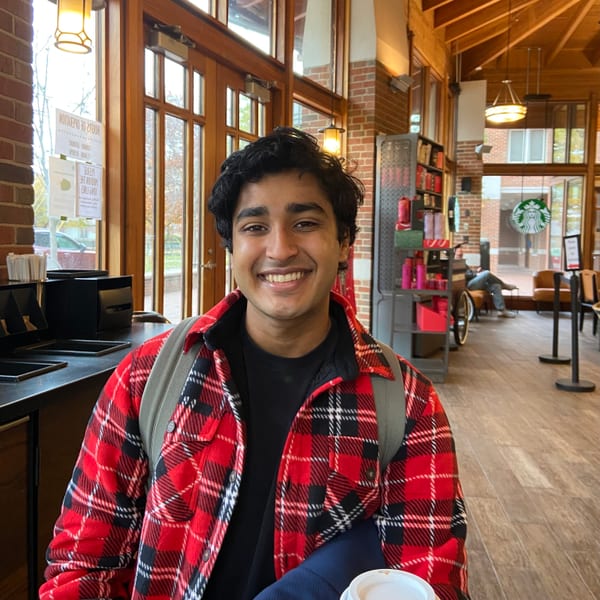
Sakin Kirti(he/him)
PhD Student, Bioinformatics IDP
Zylberberg Lab
With a background in machine learning, Sakin studies how the retina encodes visual information, using information theory and machine learning to ask why the retina has so many distinct ganglion cell types. He is also interested in comparing computer vision models to the retina, with the goal of using insights from biological vision to build better computer vision systems.
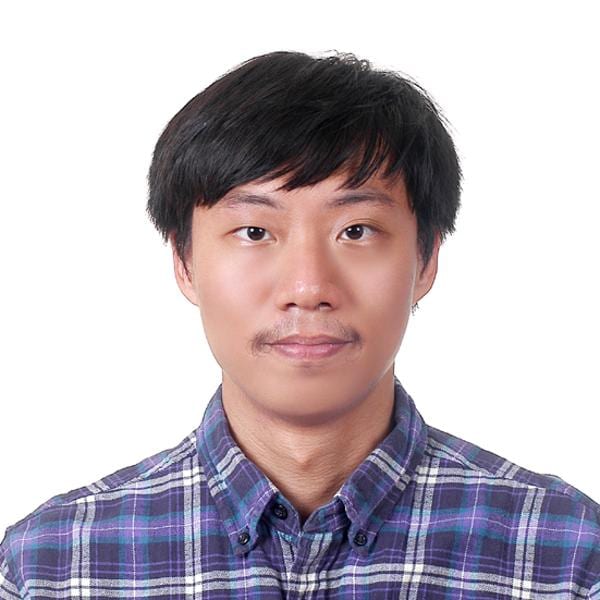
Ting-Hao Liu(he/him)
PhD Candidate
Barzelay-Wollman Lab
Ting-Hao’s research focuses on sensing and control for medical robotics, image-processing algorithms, and fluidic pump control systems. His current work involves developing multimodal sensing technologies to assist surgeons in performing procedures within the confined orbital region.
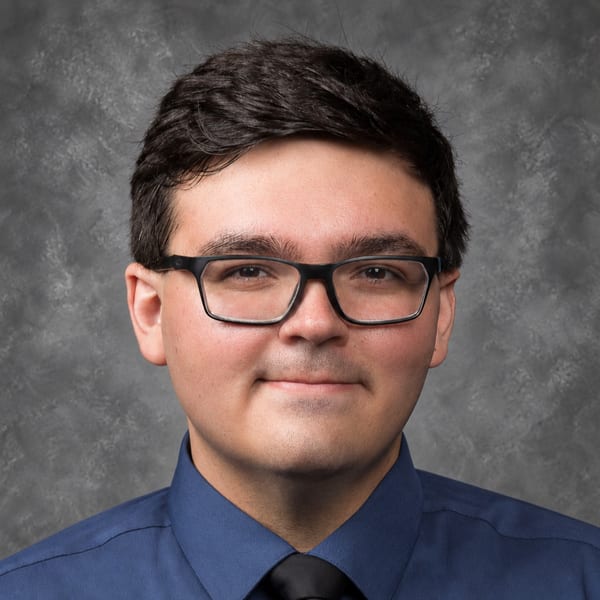
Christopher Meredith
PhD Student
Sampath Lab
Through the use of microspectrophotometry and ex-vivo electroretinograms, Chris investigates the light-driven visual pigment regeneration that allows cones to remain sensitive to stimuli. While his primary focus is on cones, he has also done work studying the effects of pigment lifetime in rod dark adaptation.
Matthew Nepo
PhD Candidate
Barzelay-Wollman Lab
Matthew studies electromechanical properties of the eye, in the context of their use as diagnostic and surgical planning tools. His research focuses on bioimpedance for tissue diagnostics and simulation of scleral elasticity for intravitreal injection optimization.
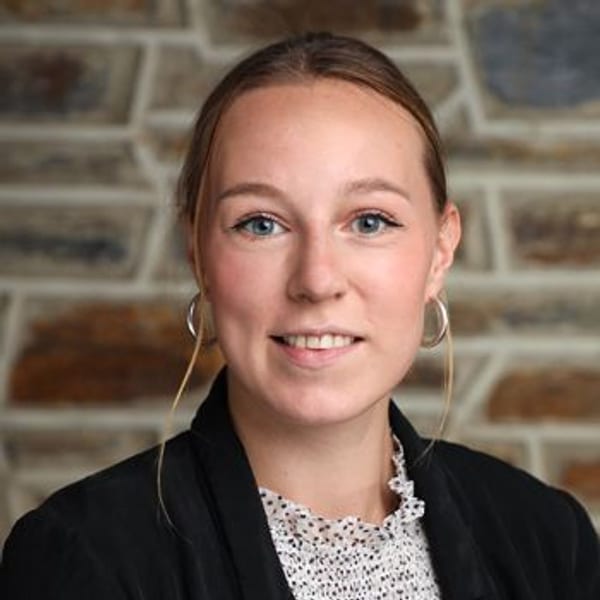
Marija Rudzite
PhD Candidate
Field Lab
I'm a “bi-coastal” graduate student at Duke Neurobiology Ph.D. program working with the Sommer Lab to understand what visual signals the retina sends to different brain regions. I'm also interested in how the synaptic organization of retinal circuits relates to mathematical descriptions of neural code and visual processing. As a training retinal physiologist, I spend most of my time in the dark, but when I do see the light, I love to be outside hiking, gardening, or biking.
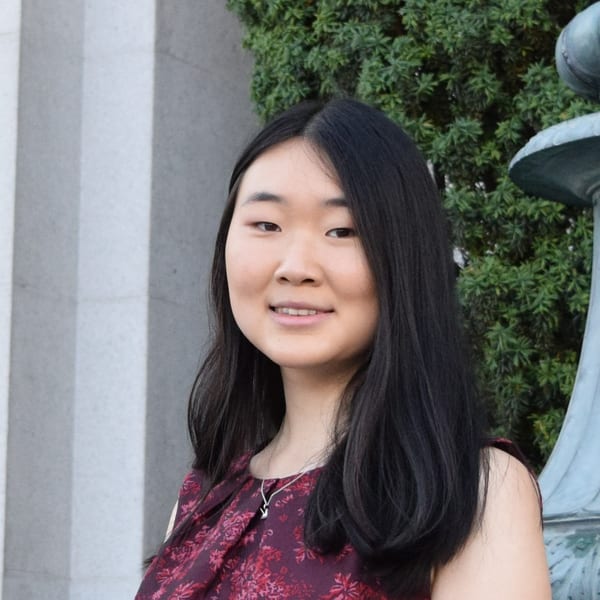
Katheryn Zhou(she/her)
PhD Student
Zylberberg Lab
Katheryn studies learning rules within biological and artificial neural networks. She is interested in the intersection between theoretical neuroscience and experimental neuroscience.
Staff Research Associates 11
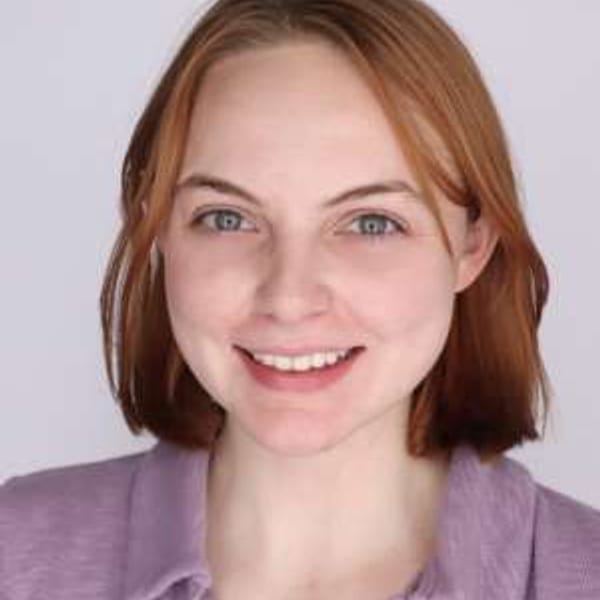
Maddie Canter(she/her)
Staff Research Associate III
Deng Lab
Maddie is the lab manager of the Cornea Biology Laboratory. She also serves as the GMP team lead for an ongoing Phase I clinical trial for autologous limbal stem cell transplants, and a pre-clinical trial focusing on corneal stromal scar repair using extracellular vesicles.
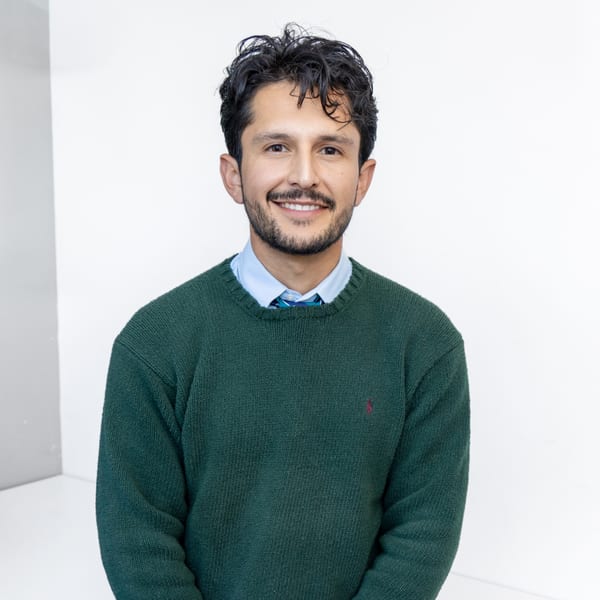
Bryant A. Cruz(He/Him/His)
Staff Research Associate
Field Lab
Bryant studies how the retina adapts to different light intensities in the natural environment by developing custom camera systems for mice and primates that mimic their visual perception, capturing the statistical properties of naturalistic light changes. This work uses computational and statistical analyses of visual environments to uncover principles underlying the organization of the retina and visual system. Bryant also contributes to generating and characterizing a mouse model of Autosomal Dominant Optic Atrophy (ADOA), employing immunohistochemistry techniques to validate that the model faithfully recapitulates key features of the disease.
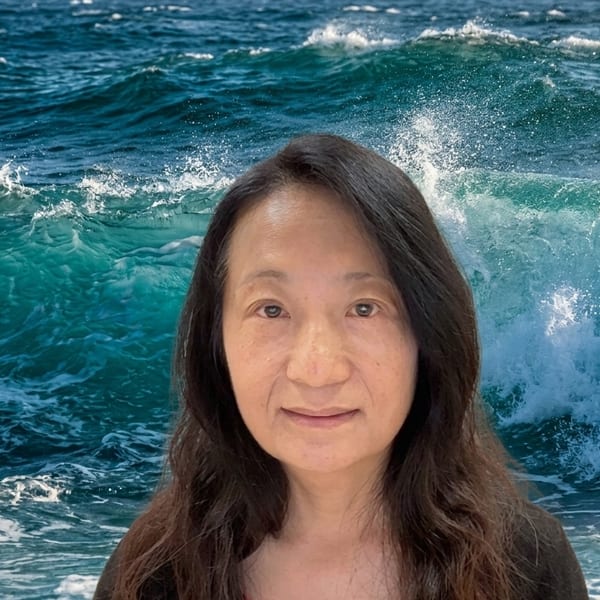
Xiangmei Zhang , MD(She/her)
Staff Research Associate IV
Yang Lab
Our research focuses on retinal development and the differentiation of retinal ganglion cells (RGCs) and photoreceptors, with the ultimate goal of establishing retinal disease models and developing curative gene therapies. Alongside my research, I serve as the lab manager, overseeing lab administrative and non-scientific operations to ensure daily efficiency. In this role, I manage mouse colonies, train incoming lab members, and simultaneously carry multiple scientific projects to drive our research goals forward.
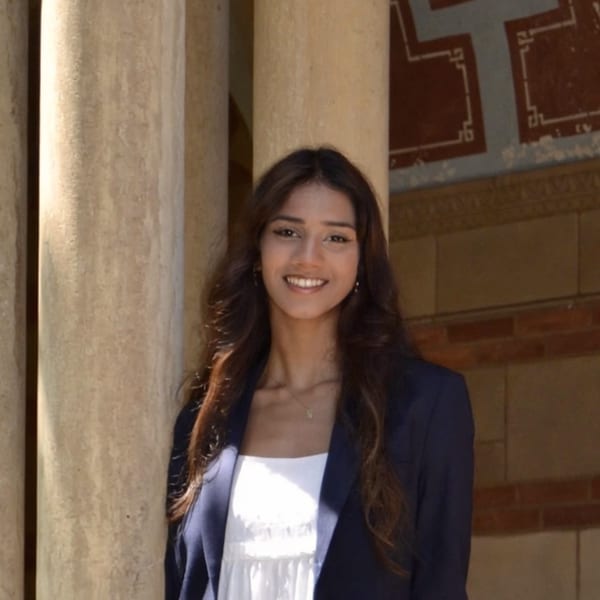
Anushka Narasani(she/her)
Lab Assistant I
Field Lab
Anushka is researching morphological diversity in retinal ganglion cells that project to the superior colliculus, and computational tools to analyze and classify those cells.
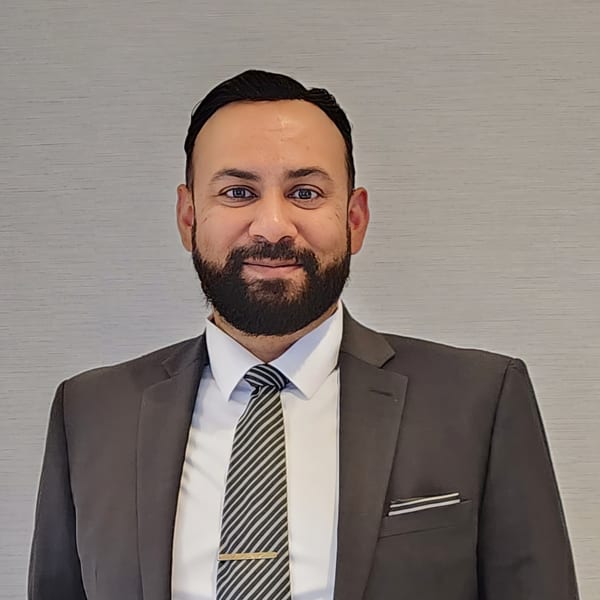
Sachin Parikh
Staff Research Associate III
Aldave Lab
Sachin Parikh is a Staff Research Associate 3 focused on translational research, particularly the development of AAV-based gene therapies for pediatric ocular disease. He works across two tissues: the corneal endothelium with Dr. Aldave, studying congenital hereditary endothelial dystrophy (CHED), and the retinal pigment epithelium (RPE) with Dr. Radu, studying Stargardt disease. His goal is to move these therapeutic strategies toward the clinic.
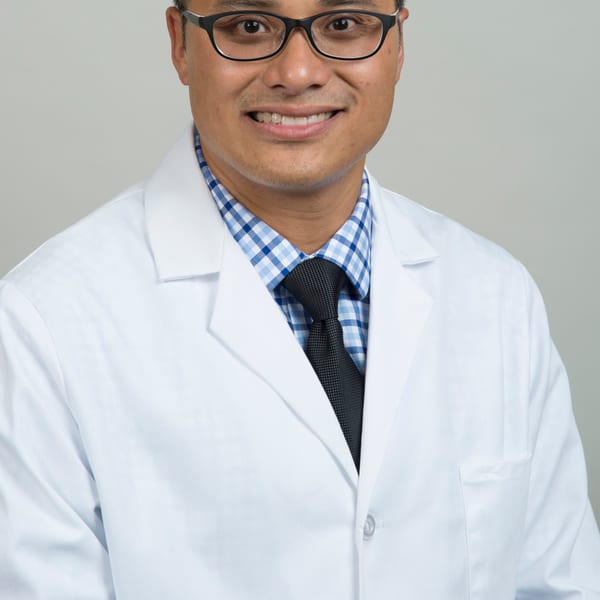
Jacky Kwong, PhD
Clinical Research Coordinator
Nouri-Mahdavi Lab
Jacky Kwong, PhD, is a Clinical Research Coordinator at the Stein Eye Institute. His research focuses on leveraging machine learning approaches to integrate functional and structural measurements for improving glaucoma diagnosis and detecting disease progression.
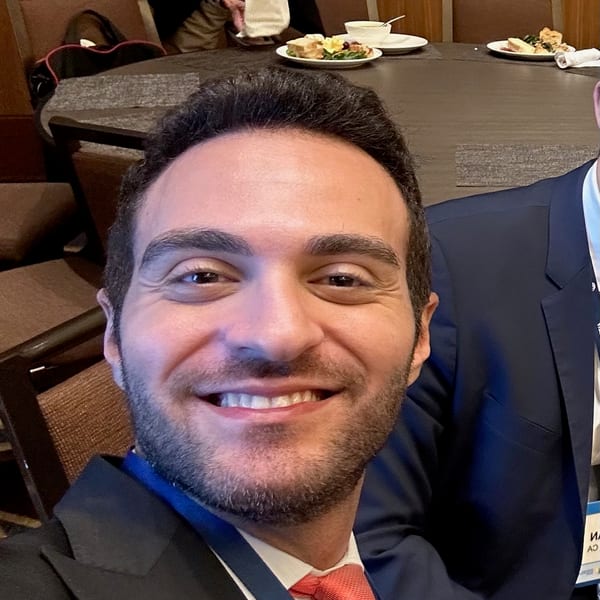
Ahmad Santina(he/him)
Senior Clinical Research Coordinator
Coleman Lab
Ahmad Santina, MD, is a Senior Clinical Research Coordinator at the Stein Eye Institute. His research focuses on ophthalmic epidemiology, health disparities, and access to eye care, with an emphasis on identifying sociodemographic and clinical factors associated with ocular disease and treatment outcomes. He coordinates,contributes, and leads research projects using electronic health records, large-scale databases, and community-based vision screening data to inform clinical practice and public health policy.
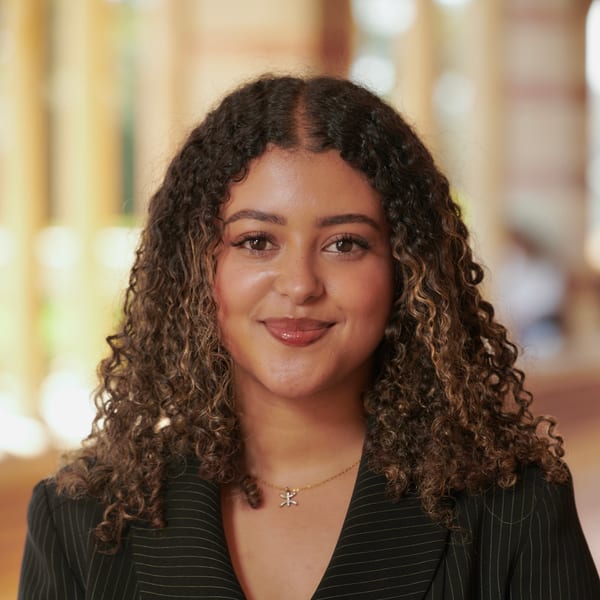
Yasmine Tani
Staff Research Associate
Field Lab
Yasmine studies different ways to analyze the responses of retinal ganglion cells to varying stimuli, using multi-electrode array recordings. She is particulary interested in contributing to robust analysis pipelines for comparing electrophysiological experiments at different light levels.
Annabelle Tran(she/her)
Staff Research Associate I
Sampath Lab
Annabelle investigates how metabolism shapes rod photoreceptor computation and how retinal circuits remodel during degeneration, using ex-vivo electroretinography and targeted pharmacology.
Anthony Wu
Staff Research Associate I
Au Lab
Anthony develops deep learning methods for retinal imaging, including 3D OCT and ultra-widefield imaging across several modalities. His current work uses self-supervised learning to build models that capture how retinal disease changes over time.
Ying Zheng
Data Analyst III
Coleman Lab
Data Analysis
Undergraduate Students 24
Noah St Clair(he/him)
Undergraduate
Sampath Lab
Noah investigates the metabolic mechanisms underlying retinal photoreceptor function. Using ex vivo electroretinography (ERG) in isolated mouse retinas, he examines how glucose availability, alternative metabolic substrates, and oxygen tension influence photoreceptor responses.
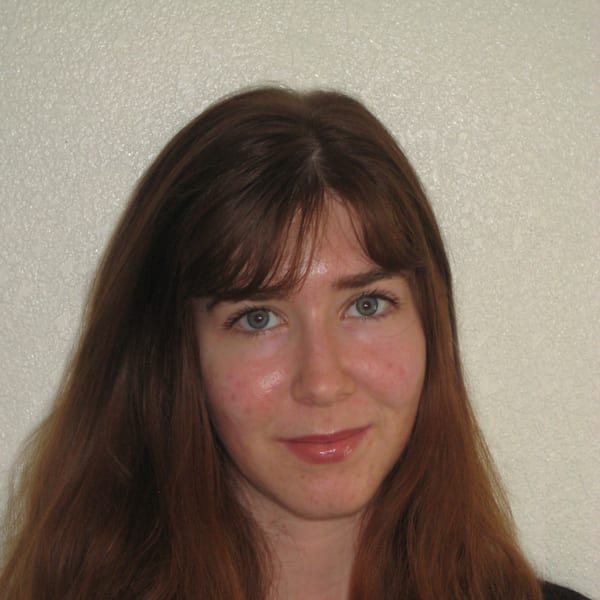
Tara Shapnick Corcoran
Undergraduate
Nouri-Mahdavi Lab
Tara is currently investigating the long-term patterns of damage and disease progression in fellow eyes of patients with early-onset paracentral visual field loss due to glaucoma through a retrospective cohort study. Her primary research interests include preventative care and diagnostic methods regarding glaucoma.
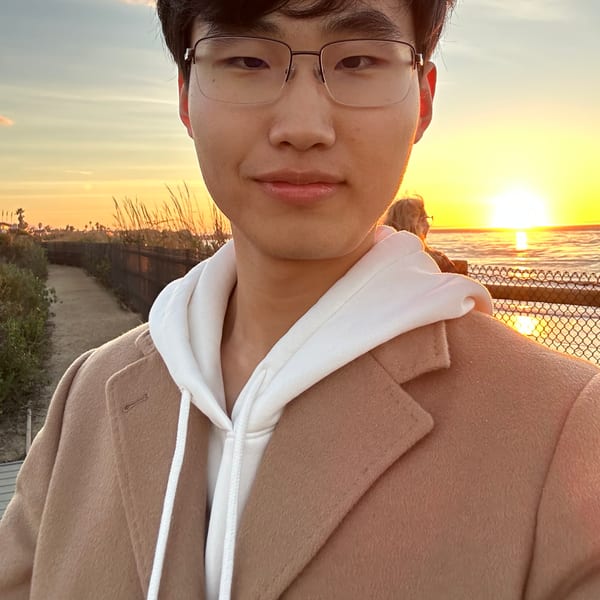
Jinghan(Frank) Huang(he/him)
Undergraduate Student
Yang Lab
Frank studies how OPA1 mutations disrupt retinal ganglion cell function in dominant optic atrophy. His work focuses on how the membrane properties of these cells shift under the metabolic stress such mutations impose, which connects to his collaborative investigation of potassium channel dysfunction at the Barnes Lab. He is pursuing an MD/PhD with a focus on vision neuroscience and neuro-ophthalmology.
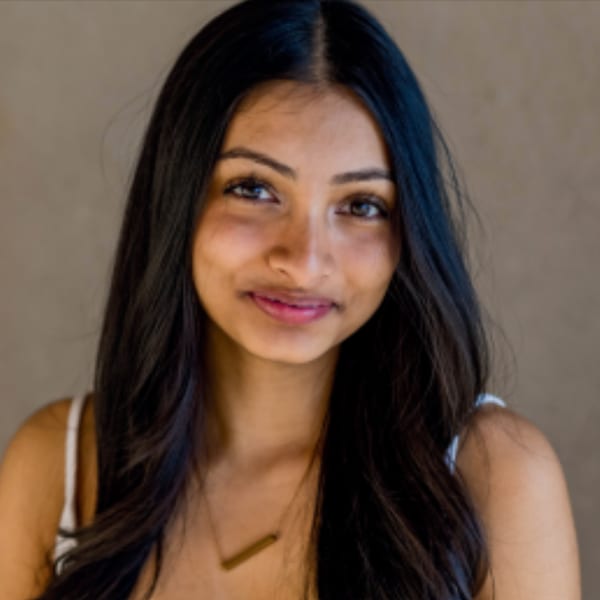
Sanjana Iyer(she/her)
Undergraduate
Sampath Lab
Sanjana investigates the origin of vertebrate vision by characterizing the retina of hagfish, using ex-vivo electroretinography (ERG) and semithin section staining to explore its electrophysiology and cellular organization.
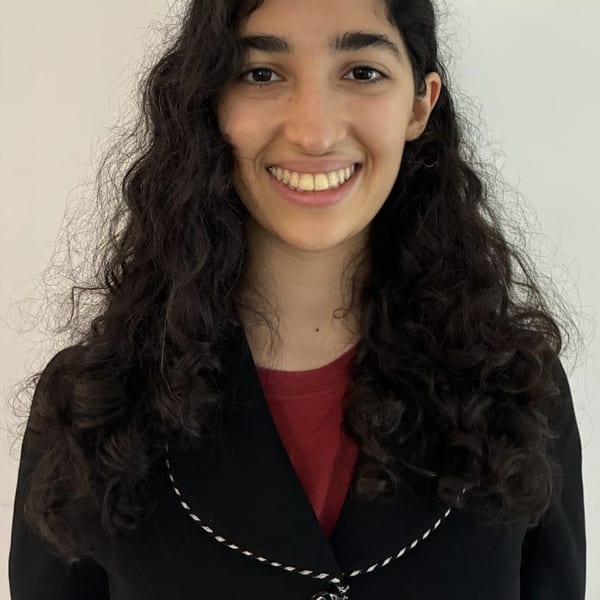
Paria Jahadi(She/her)
Undergraduate
Yang Lab
Paria conducts genotyping, cryosectioning, eye-cup dissections, and immunostaining.
Sophia Jin(she/her)
Undergraduate
Gilhooley Lab
Sophia is working on the isolation of rare intrinsically photosensitive retinal ganglion cells (ipRGCs) from mouse retinas. She hopes to use this protocol to conduct downstream studies that investigate the mechanisms that allow ipRGCs to uniquely survive neurodegeneration in Autosomal Dominant Optic Atrophy.
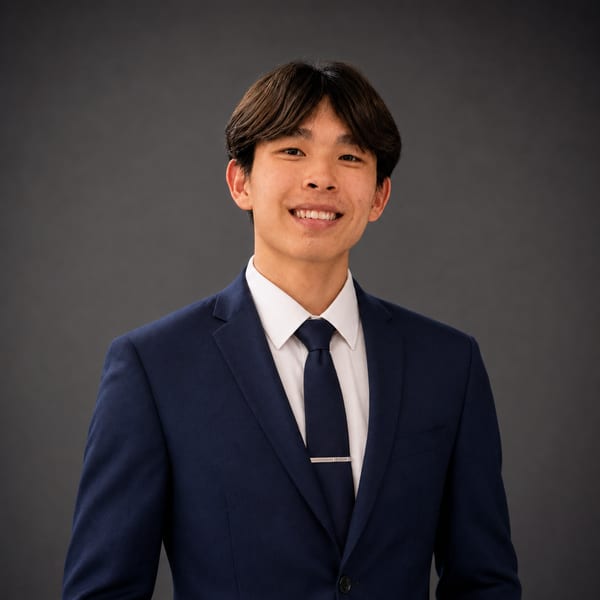
Rich Lai
Undergraduate
Deng Lab
Rich is interested in corneal biology, regenerative medicine, and understanding how cells respond to injury. In the Deng Lab, he studies how exosomes derived from human corneal stromal stem cells affect corneal wound healing, particularly their role in regulating cell death and inflammation. His current work focuses on identifying different cell death pathways using immunofluorescence staining, confocal microscopy, and image analysis to better understand how exosomes may promote corneal repair.
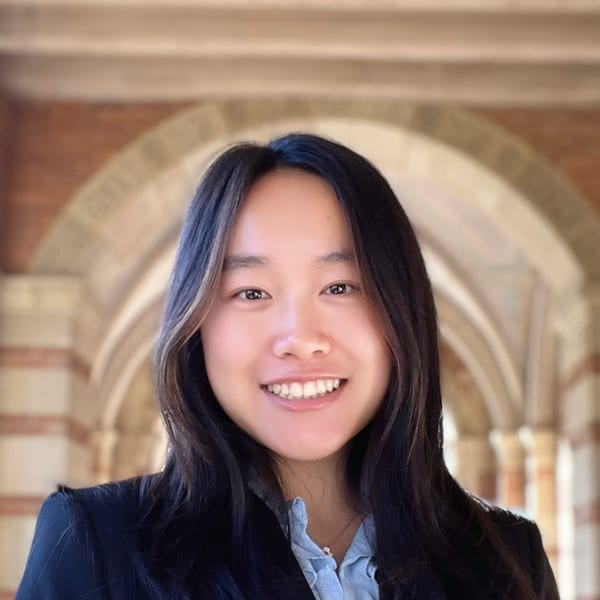
Nicole Lui(she/her)
Undergraduate
Au Lab
Nicole reviews and grades Optical Coherence Tomography images from Age-related Macular Degeneration cohorts, documenting differences in structural features and disease severity. She identifies imaging characteristics that may define clinically significant AMD subgroups and evaluates whether these phenotypes are associated with specific genetic variants.
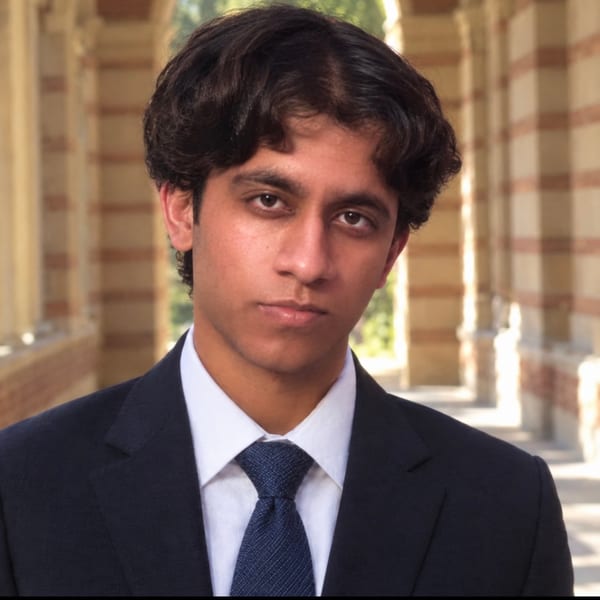
Shaurya Mahajan(he/him)
Undergraduate Research Assistant
Au Lab
Shaurya Mahajan studies optical coherence tomography (OCT) images to identify retinal biomarkers and characterize disease morphology in patients with retinal vein occlusion (RVO) and geographic atrophy.
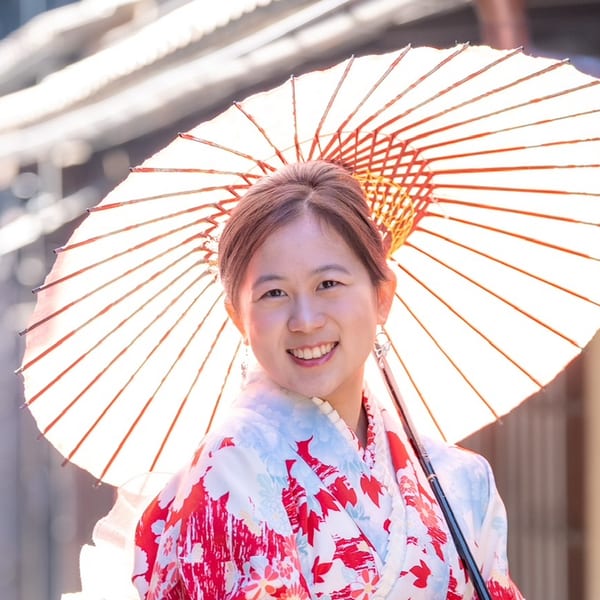
Eudia Sze Rou Ng(she/her)
“Undergraduate”
Radu Lab
Eudia studies morphological developments in retinal pigment epithelium cells of mice with a knock out ABCA4 gene (ABCA4 -/-). She is particularly interested in imaging and mapping early morphological changes in the RPE prior to overt cell degradation.
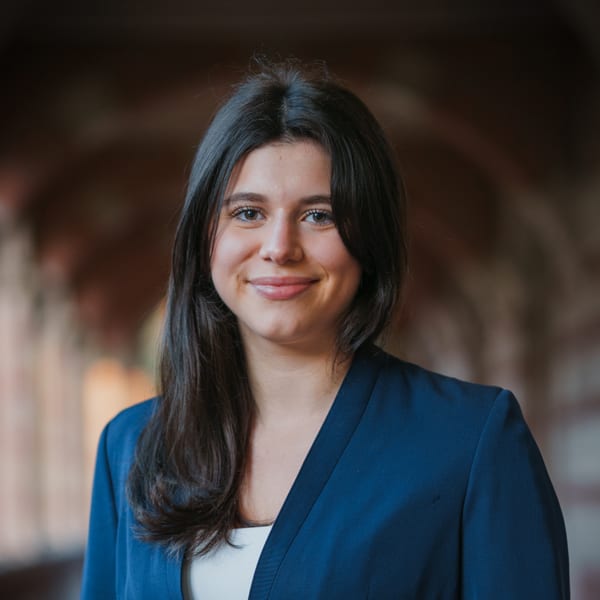
Abigail O’Brien(She/her)
Undergraduate Researcher
Deng Lab
Abigail investigates the role of Wnt signaling on limbal stem cell phenotype and renewal for potential treatment of limbal stem cell deficiency.
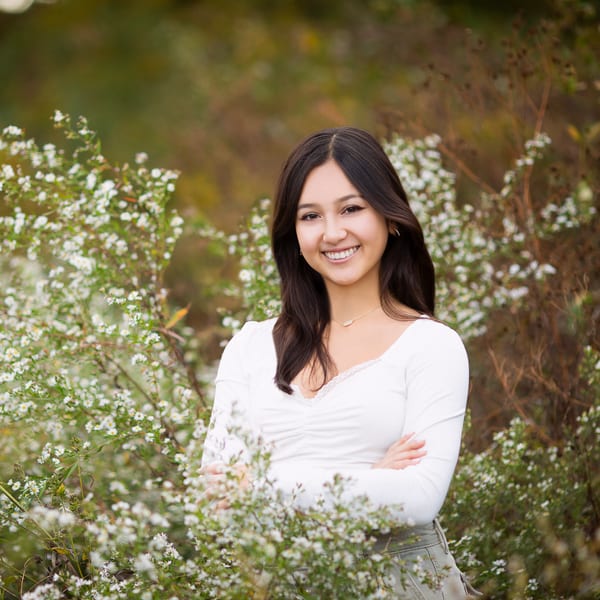
Alison Oak(she/her)
Undergraduate
Yang Lab
Alison is currently working on a project that studies the functionality of rods in OPA1 knowckout heterozygous and homozygous mice. Alison will also take to studing the morphology of the mitochondria in the OPA1 affected rods. Alison is extremely interested in learning about the structure and functions of the eye and is enthusaiticly contributing to the greater goal of finding solutions for RDS and diseases such as glaucoma. Alison is also very interested in the field of opthamology and finds what the Yang Lab is doing essential in helping cure eye disease.
Jaclyn Ohanyan
Undergraduate
Radu Lab
Jaclyn studies Retinal Pigmented Epithelial (RPE) cells and organoids in the culture room and their development over time. She is also studying an inflammatory pathway of RPE as a result of varying diets on ABCA4 KO genotype mice.
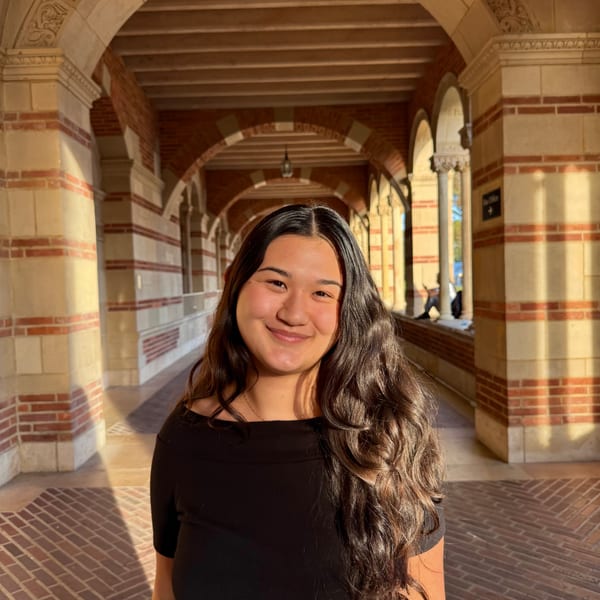
Adeline Peterson(She/her)
Undergraduate
Yang Lab
Adeline is currently using genetic analysis to study how metabolism affects retina neuronal survival and function, particularly in OPA1 mutations. She is interested in learning how gene editing can be used to understand and treat neural disorders.
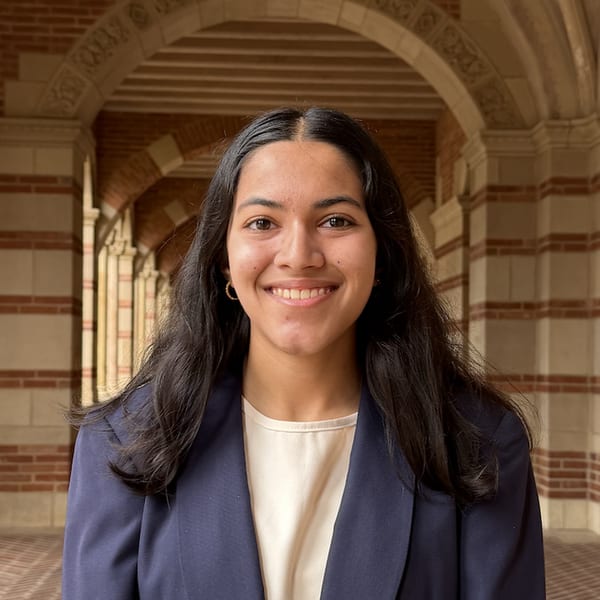
Simran Purohit(she/her)
Undergraduate
Radu Lab
Simran studies how vitamin A-derived lipid accumulation leads to inflammation in STGD1 mouse models using Western blots.
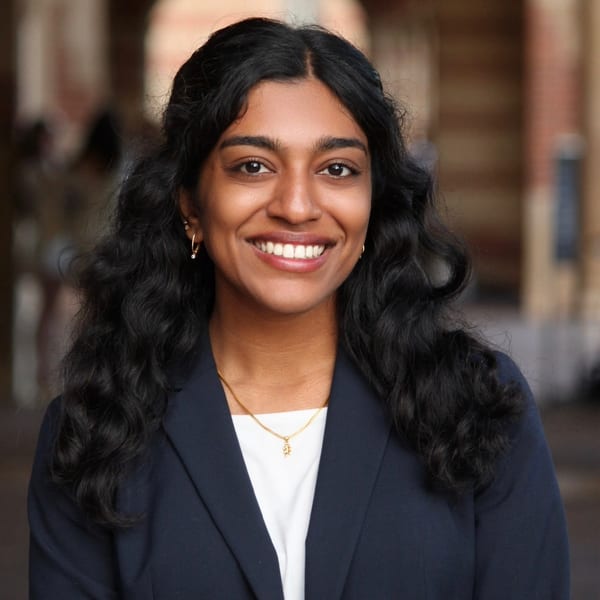
Uma Ram(she/her)
Undergraduate
Yang Lab
Uma is currently working on a project studying Dominant Optic Atrophy (DOA) and retinal degeneration, with a focus on photoreceptors and retinal ganglion cells (RGCs). Using mouse models, she contributes to research investigating gene therapy approaches aimed at preserving retinal cell function and survival. In addition to research, she helps train new students in lab techniques.
Marie Sedrak
Undergraduate
Yang Lab
As an undergraduate volunteer, Marie will contribute to research that investigates the relationship between metabolism and the survival and function of retinal neurons. She is particularly interested in retinal disease and degeneration and will participate in genetic analysis using mouse models to explore the processes that impact retinal health.
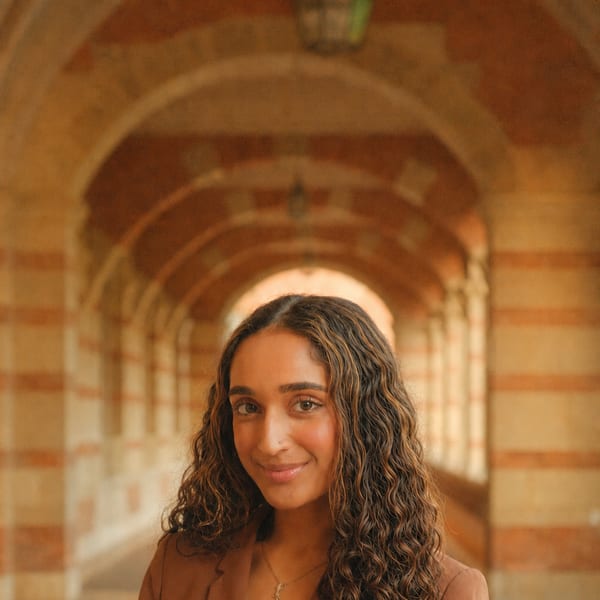
Arushi Somani(she/her)
Undergraduate
Deng Lab
Arushi studies microRNAs involved in corneal stem cell function and regeneration. Her research focuses on identifying miRNA biomarkers associated with corneal stem and progenitor cells.
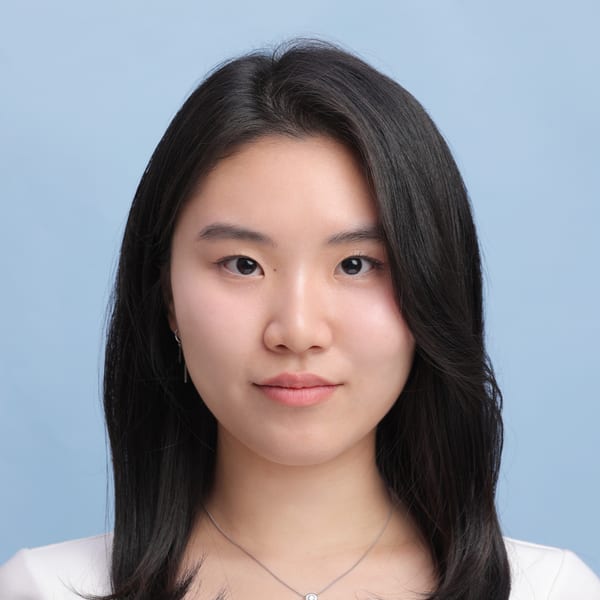
Ellie Sul
Undergraduate Lab Assistant
Peng Lab
Her previous research experience includes evaluating CBT-based mental health apps and conducting data coding on drivers' emotion regulation behaviors at Yonsei University's Digital Mental Health Lab. She also gained laboratory experience at Yale University's School of Medicine Stem Cell Lab, performing laboratory experiments and analyzing data. As an independent researcher, she conducted research on associations between fentanyl usage and social media use among U.S. teens, as well as machine learning-based biomarkers for enhanced autism diagnosis using fundus images, both published in academic journals. Currently, as a lab assistant in Dr. Yi-Rong Peng's lab at UCLA's Stein Eye Institute, she assists with ophthalmology research and laboratory experiments, focusing on retinal development and its relationship to vision loss.
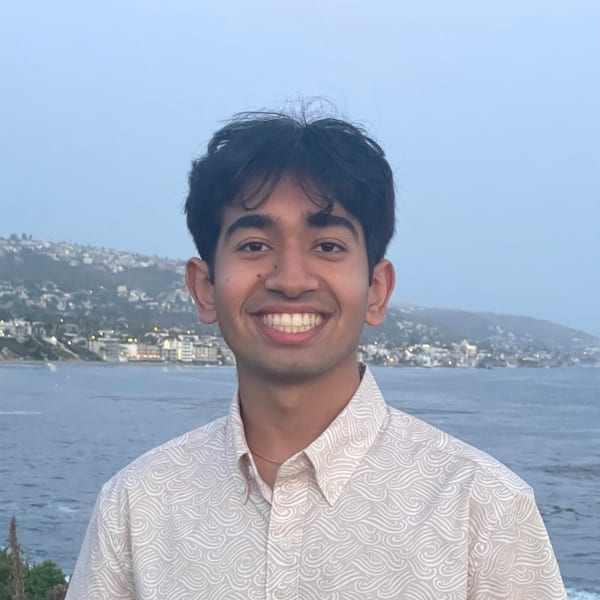
Kishan Talati(he/him)
Undergraduate
Field Lab
Kishan studies the dendritic morphology of retinal ganglion cells in primates through the tracing and analysis of confocal images.
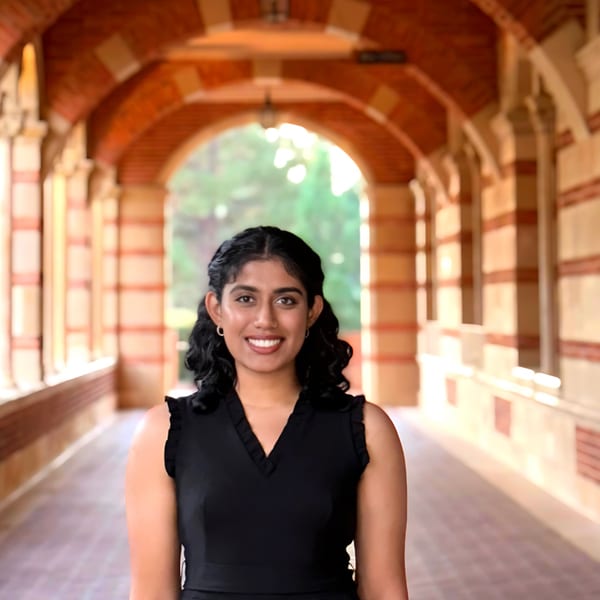
Eesha Vaghasia
Undergraduate
Radu Lab
Eesha studies how the expression of the ABCA4 gene can influence various inflammasome pathways in relation to photoreceptors and the RPE. Her current research focuses on the activation of the NLRP3 inflammasome and subsequent age related acceleration of Stargardt Disease.
Marissa Valdez(she/her)
Undergraduate
Radu Lab
Marissa studies the accumulation of NLRP3 in the inflammasome pathways to retinal pigment epithelium (RPE) cells in relation to Stargardt's Disease.
Varsha Venkataraman(she/her)
Undergraduate
Field Lab
Varsha studies retinal ganglion cell morphology in primate models, using neuron tracing, confocal microscopy, and histology to characterize and classify cell types.
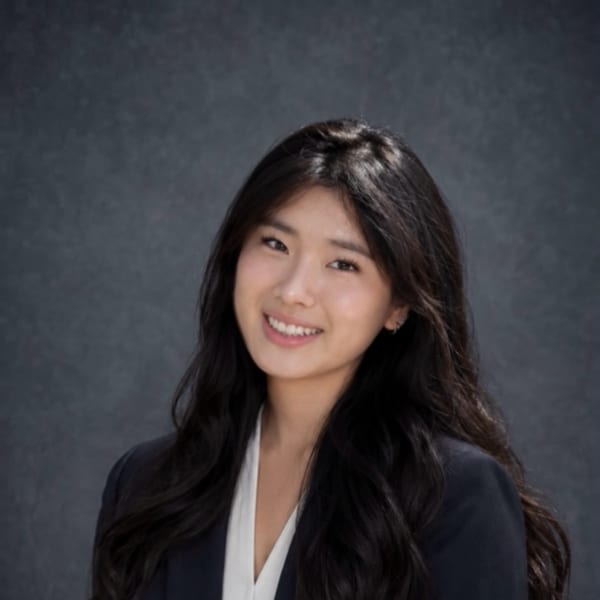
Fanny Zheng(She/Her)
Undergraduate
Radu Lab
Fanny studies the cellular mechanisms regulating autophagic flux in Stargardt disease. Her current research focuses on assessing LC3 lipidation in Retinal Pigment Epithelium (RPE) cells.